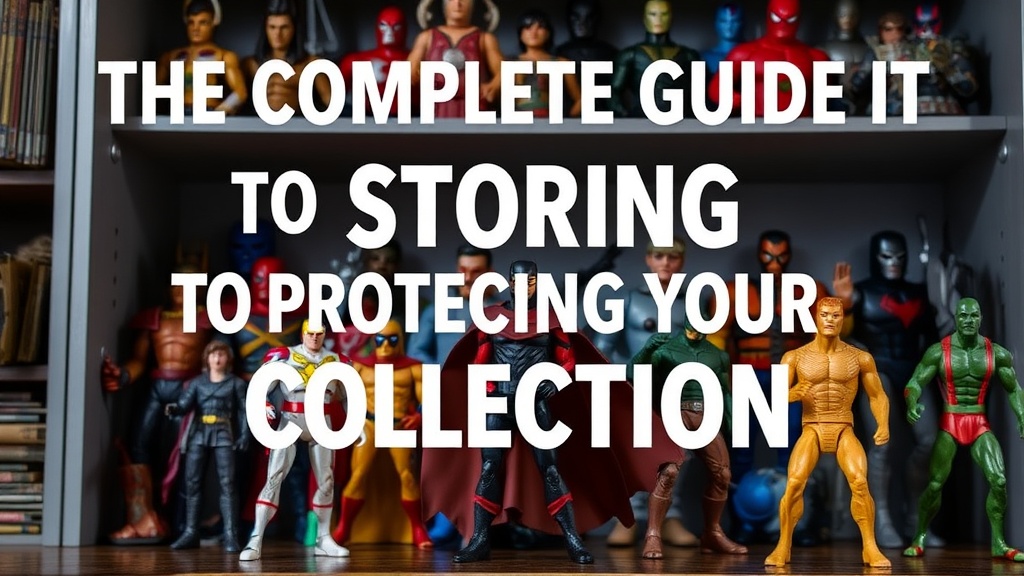
The Complete Guide to Storing and Protecting Your Action Figure Collection

Protecting an action figure collection isn't just about keeping dust off the shelves. This post covers everything from basic cleaning routines to climate control, display options, and long-term storage solutions. Whether you've got a handful of Marvel Legends or a room packed with vintage Kenner Star Wars, the right protection strategy can keep figures looking fresh for decades. Poor storage conditions, UV exposure, and simple neglect are responsible for more yellowed plastics and sticky joints than you'd think. Here's how to avoid the mistakes that wreck collections worth thousands.
What's the Best Way to Display Action Figures Without Damaging Them?
The safest display method depends on the figure's value, material type, and whether it's carded or loose. Generally, keeping figures out of direct sunlight and away from heat sources matters more than the specific shelf you choose.
Detolf glass-door cabinets from IKEA remain the go-to for serious collectors. At around $70 USD, they seal out dust while providing full visibility. The glass blocks some UV light (though not enough—more on that later). For open shelving, floating shelves like the Mosslanda picture ledge work well for packaged figures. They keep boxes upright and prevent that dreaded corner wear.
Here's the thing about open displays: dust isn't just unsightly. It attracts moisture and can work its way into joints over time. If you're displaying loose figures on open shelves, expect to dust them weekly. A microfiber duster works fine, but compressed air—something like the Falcon Dust-Off brand—gets into crevices without moving the figures constantly.
The catch? Some materials don't play nice with certain displays. PVC figures (common in anime collectibles) can soften if stored in enclosed cases without ventilation. ABS plastic—the harder stuff in most American action figures—is more forgiving. Worth noting: rubbery materials like the "soft goods" capes on NECA figures or the O-rings in vintage GI Joes degrade faster in airtight containers.
How Do You Control Temperature and Humidity for Action Figures?
Ideal storage conditions sit between 65-75°F (18-24°C) with relative humidity at 45-55%. Anything above 60% humidity invites mold and accelerates "plasticizer migration"—that sticky film that ruins vintage figures. Temperature swings cause plastic expansion and contraction, stressing glued joints and painted details.
Ottawa's climate swings wildly (humid summers, bone-dry winters), so local collectors face extra challenges. A Honeywell HCM350W humidifier helps in winter months. In summer, a dehumidifier—something like the hOmeLabs 4,500 Sq. Ft. model—pulls excess moisture from collection rooms. Small collections fit nicely in Eva-Dry renewable mini dehumidifiers placed directly inside display cases.
That said, don't obsess over perfect conditions. Figures are tougher than most people assume. A stable, moderate environment beats a perfectly controlled one that fluctuates constantly. The worst damage comes from attics (heat extremes), basements (humidity and flooding), and direct HVAC vents (rapid temperature changes).
Monitor conditions with a digital hygrometer. The ThermoPro TP50 costs about $10 and tracks highs and lows so you know if you're hitting dangerous zones while away. Place one on each shelf level—temperature varies more than you'd expect, especially near windows or exterior walls.
Should You Keep Action Figures in Their Original Packaging?
Carded figures (still factory-sealed) generally hold more value and stay better protected than loose figures. However, packaging itself degrades—cardboard bends, bubbles yellow, and tape adhesive seeps through over decades. The decision depends on collecting goals and available space.
For mint-on-card (MOC) collectors, protection means shielding the package itself. Star Cases—rigid plastic shells made by ProTech—fit most standard card sizes and prevent edge wear. For larger vintage cards (think Kenner Super Powers or Remco mini-monsters), custom acrylic cases from GW Acrylic run $15-30 but offer museum-grade protection.
Loose collectors have more flexibility—and more work. Individual bagging prevents paint rub between figures. Polypropylene bags (not PVC) from retailers like Collectors Supply Store cost pennies and won't off-gas chemicals. For figures with small accessories, compartmentalized storage like the Plano 3700 ProLatch tackle box keeps pieces organized and protected.
Carded vs. Loose: A Quick Comparison
| Storage Factor | Carded/Boxed | Loose |
|---|---|---|
| Space required | High (boxes stack but need air circulation) | Low (figures compact tightly) |
| Protection level | Excellent (factory sealed) | Depends on individual storage method |
| Dust accumulation | Minimal (sealed environment) | Constant maintenance needed |
| Resale value | Higher (collector premium) | Lower (typically 30-60% of carded price) |
| Interaction | None (look, don't touch) | Full posability and display options |
| Degradation risks | Bubble yellowing, cardboard warping | Paint rub, joint loosening, dust |
Most serious collectors do both: keep rare, investment-grade pieces carded while opening duplicates or common figures for display. There's no wrong choice—just wrong storage for your choice.
What About UV Light and Action Figure Fading?
UV light destroys action figures. Period. Plastics yellow, paints fade, and packaging artwork bleaches within months of direct sun exposure. Even indirect sunlight through windows causes gradual damage over years.
Standard glass blocks about 25% of UV rays. Acrylic cases with UV filtering (like those from GW Acrylic mentioned earlier) block 98%+. If you're serious about preservation, retrofit existing display cases with UV-filtering film. 3M makes adhesive films that apply directly to glass—expect to pay $30-50 for a Detolf-sized application.
LED lighting is the only safe option for illuminating displays. Halogen and incandescent bulbs emit UV and generate heat. Even "cool" fluorescent tubes output damaging wavelengths. Philips Hue LED strips let you adjust color temperature (warmer tones look better on most figures) without the risk. Position lights above or in front of figures—never inside enclosed cases where heat builds.
Materials That Need Extra UV Protection
- White plastics: Star Wars Stormtroopers, Power Rangers—yellow fastest
- Red paints: Sunlight bleaches reds to pink (common on Marvel Legends)
- Cardboard packaging: Fades unevenly, creating "shadow" marks from price stickers
- Transparent plastics: Vehicle canopies, helmet visors—cloud and craze under UV
- Flocked items: The fuzzy texture on vintage Moss Man or Panthro—melts and mats
How Do You Clean Action Figures Safely?
Regular cleaning prevents long-term damage. Dust acts as an abrasive and attracts moisture. Oils from handling transfer to plastics and slowly break them down. A simple maintenance routine keeps figures display-ready without risking damage.
For loose figures, warm water with a drop of mild dish soap (Dawn Original works) handles most grime. Use a soft toothbrush for textured areas—soft goods (cloth capes, etc.) need spot-cleaning only. Never submerge figures with electronic features or metal pins. Dry immediately with a microfiber cloth; trapped moisture causes mold.
Carded figures get surface cleaning only. A slightly damp cloth on the bubble, dry cloth on the cardboard. Never use cleaning sprays near packaging—overspray discolors cardboard instantly. For stubborn price sticker residue on vintage cards, products like Un-Du (a citrus-based adhesive remover) work if applied carefully with a cotton swab. Test on damaged cards first.
Here's the thing about "restoration"—it's risky. Retro-brighting (using UV light and hydrogen peroxide) can reverse yellowing on white plastics, but it weakens the plastic structure over time. Repainting destroys value for most collectors. When in doubt, accept minor discoloration as character. A slightly yellowed vintage figure beats a damaged one every time.
Long-Term Storage: Boxes, Bins, and the Attic Problem
Not every figure stays on display. Rotation collectors—those who swap seasonal displays—need safe storage for the majority of their collection. The wrong container causes more damage than leaving figures in the open.
Plastic storage totes work fine if they're the right plastic. Avoid PVC containers (recycling code 3)—they off-gas and can fuse to figure plastics over time. Polypropylene (code 5) is safer. Sterilite 66-quart containers with gasket lids seal out moisture and stack efficiently. Line the bottom with acid-free tissue paper—not newspaper, which transfers ink and acid.
Never store figures in attics or garages. Temperatures in unconditioned spaces hit 140°F in summer and -20°F in winter. That's destruction territory. Basements flood. Closets inside living spaces work best—stable temperature, moderate humidity, and accessible for regular checks.
Carded figures in long-term storage need support. Lay them flat in boxes with bubble wrap between layers, or stand them vertically with foam inserts preventing side-to-side movement. Never rubber-band stacks of cards together—the pressure creates permanent creases.
Storage Checklist for Boxed Figures
- Clean the figure/package surface with a dry microfiber cloth
- Place in acid-free poly bag (for carded) or original insert (for boxed)
- Add silica gel packet if storing in humid climate (replace annually)
- Label the container with contents and date stored
- Store off the floor (in case of flooding) and away from exterior walls
- Inspect annually—problems caught early are problems solved easily
Action figure collecting is about enjoyment first. These plastic heroes, monsters, and space soldiers bring back memories and spark joy. Protecting them isn't paranoia—it's respect for the hobby and the stories these pieces represent. Store them well, and they'll outlast every trend, every market shift, and probably most of us.