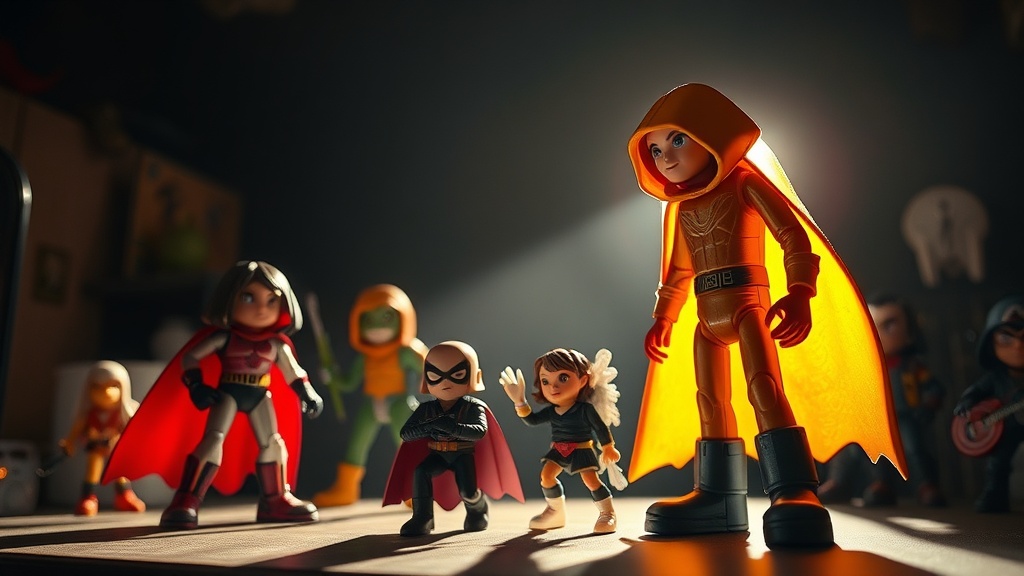
Protecting Your Vinyl Figures from Sunlight Damage

Exposure to even a few hours of direct sunlight can permanently alter the molecular structure of PVC and ABS plastics, often leading to irreversible pigment degradation. This guide explains how UV radiation affects your collection, the science behind plastic aging, and the specific steps you can take to prevent fading, yellowing, and structural brittleness in your vinyl figures.
Why Does Sunlight Damage Vinyl Figures?
Sunlight damages vinyl figures primarily through ultraviolet (UV) radiation, which breaks the chemical bonds in the pigments and the plastic itself. This process, known as photodegradation, causes the colors to fade and the material to become brittle or even "sticky" over time. While a single afternoon in a sunny window might not destroy a figure, cumulative exposure acts like a slow-motion wrecking ball for your investment.
The chemistry here is actually quite simple. Most high-end collectibles, like those from Funko, Super7, or Kidrobot, are made of polyvinyl chloride (PVC) or acrylonitrile butadiene styrene (ABS). These polymers are sensitive to UV rays. When these rays hit the surface, they trigger a reaction that breaks down the polymer chains. This leads to several distinct types of damage:
- Color Fading: The most common symptom. Vibrant reds and deep blues are often the first to lose their saturation.
- Yellowing: This is especially common in white or clear plastics. It's caused by the oxidation of the additives used to make the plastic look "clean."
- Structural Brittleness: As the plastic loses its plasticizers (the chemicals that keep it flexible), the figure becomes prone to snapping or cracking.
- Surface Tackiness: Sometimes, UV rays cause the plasticizers to migrate to the surface, leaving your figure feeling gross and sticky to the touch.
It's a frustrating reality for collectors. You spend hundreds of dollars on a limited edition piece, only to have it look "washed out" because of a poorly placed shelf. (I've seen more than one pristine Bearbrick figure ruined by a single summer of window-side display.)
If you want to understand the technical breakdown of how light interacts with matter, the Wikipedia page on photodegradation offers a deep dive into the physics. It's a heavy read, but it helps you realize that this isn't just a theory—it's a measurable chemical reaction.
How Do I Prevent UV Damage to My Collection?
The most effective way to prevent UV damage is to eliminate direct sunlight and use UV-filtering materials for your display cases. You can't stop light from existing, but you can control the specific wavelengths that hit your figures.
Here is a breakdown of the best methods to protect your plastic assets:
- Use UV-Protective Acrylic: If you use display cases like those from IKEA or specialized acrylic brands, ensure they are rated for UV protection. Some high-end cases are designed specifically to block the harmful spectrum.
- Window Film Application: Applying a clear UV-blocking film to your windows is a cheap, effective way to protect an entire room. This is a standard tactic in art galleries and museums.
- LED Lighting: Avoid using old-school halogen or incandescent bulbs in your display cabinets. These emit significant heat and UV radiation. Stick to high-quality LED strips; they are much cooler and significantly safer for your vinyl.
- Rotate Your Collection: If you must display items near a window, don't let them sit in the same position for years. Movement helps, though it's a minor defense compared to blocking the light entirely.
A quick comparison of light sources and their impact on vinyl:
| Light Source | UV Intensity | Risk Level |
|---|---|---|
| Direct Sunlight | Extreme | Very High |
| Ambient Window Light | Moderate | Medium |
| Standard LED | Low | Low |
| Fluorescent Bulbs | Variable | Moderate |
The goal is to create a controlled environment. A dark room is always safer, but we all want to see our collections. Finding that balance between visibility and preservation is where the real work happens.
Can I Fix Faded or Yellowed Figures?
No, you cannot truly "fix" a faded or yellowed vinyl figure once the chemical bonds have been broken, but you can sometimes improve the appearance through specialized cleaning or chemical treatments. It is important to manage expectations here: you are often dealing with permanent structural changes, not just surface dirt.
If your figure has turned yellow, you might have heard of "Retrobrighting." This is a process used by many collectors of vintage Star Wars or Transformers toys to reverse yellowing. It involves using high-strength hydrogen peroxide and UV light to strip the oxidized layer. However, this is a risky procedure. If you do it wrong, you might actually accelerate the degradation of the plastic. It's a high-stakes game of chemistry.
For simple color fading, there isn't a standard "re-coloring" method that is safe for mass-produced vinyl. Most people find that once the pigment is gone, it's gone. This is why prevention is the only real solution. Trying to paint over a faded Pop Mart figure or a Designer Toy often ruins the aesthetic and the resale value.
If you are dealing with a "sticky" figure, the plasticizers are migrating. You can sometimes clean this off with isopropyl alcohol (use a very light touch!), but this doesn't fix the underlying issue. The figure will likely become brittle shortly after. It's a sign that the life of the object is nearing its end.
For more info on the chemical properties of polymers, the National Institute of Standards and Technology provides extensive research on material stability. It's a great resource if you're curious about why certain plastics fail under stress.
The Display Dilemna: Aesthetics vs. Preservation
Every collector faces this. You want your figures to look great under a spotlight, but that spotlight is a slow-acting poison. I've spent a lot of time tweaking my own setup in Ottawa, trying to find the sweet spot between a "museum look" and long-term safety.
One thing I've learned is that the type of display case matters more than you think. A glass door is better than an open shelf, but a truly airtight, UV-shielded acrylic box is the gold standard. If you're using a display case from a big-box retailer, don't assume it's safe. Most standard plastic or glass cases offer zero protection against UV rays.
Don't forget about the heat. Heat and light work together to speed up the aging process. If your display is near a radiator or an electronic component that gets hot, you're doubling the damage. The heat softens the plastic, making it even more susceptible to the UV rays. It's a compounding problem.
It's worth noting that some collectors use specialized UV-filtering sprays or coatings. While these exist, they can be hit-or-miss. If you apply a coating that isn't designed for the specific type of vinyl you're using, you might end up with a cloudy, uneven mess. I'd rather stick to the basics: keep the lights low and the windows covered.
The reality is that your collection is a living, changing thing. Even in a perfect environment, time will eventually take its toll. But with the right precautions, you can ensure that your most prized pieces stay looking as vibrant as the day you unboxed them.