Keeping History Intact: A Collector's Guide to Comic Book Longevity

How do you keep comic books in mint condition for years?
Collecting comic books isn't just about accumulating issues; it's about preserving narratives, art, and a tangible piece of pop culture history. Many collectors wonder how to safeguard their treasured graphic stories from the relentless march of time and environmental factors. This guide will walk you through practical, actionable steps to ensure your comic collection remains in peak condition, protecting your investment—and your passion—for decades to come. We’ll cover everything from safe handling practices to advanced storage and display considerations, giving you the knowledge you need to be a true custodian of your collection.
First, let’s talk about the absolute basics: handling. It’s surprising how much damage can occur just from improper interaction with your books. Always make sure your hands are clean and dry before touching any comic. Oils, dirt, and even subtle moisture can transfer from your skin to the paper, leading to stains or accelerated degradation over time. Consider wearing cotton gloves, particularly when handling highly valuable or fragile issues. It might feel a bit formal, but it’s a small price to pay for peace of mind. When flipping through pages, do so gently. Avoid creasing the spine or putting undue pressure on the staples. Think of each comic as a delicate artifact—because, in many ways, it is.
What are the best environmental controls for comic book storage?
The environment where you store your comics plays a critical role in their long-term survival. Fluctuations in temperature and humidity are the silent killers of paper. Ideally, you want a stable, cool, and dry environment. Aim for temperatures between 65-75°F (18-24°C) and relative humidity levels between 45-55%. Extremes, whether too hot, too cold, too humid, or too dry, can cause paper to become brittle, yellow, or even develop mold. Attics and basements, though often convenient, are usually the worst places for comic storage due to their inherent instability in these conditions.
Light, especially direct sunlight or fluorescent light, is another major enemy. Ultraviolet (UV) rays cause ink fading, paper yellowing, and general deterioration. Store your comics in dark places—boxes, cabinets, or rooms with blackout blinds. If you do display them (which we'll discuss later), ensure they are protected from UV exposure. Proper air circulation is also beneficial, preventing stale air pockets that can encourage mold growth, especially in more humid climates. A small dehumidifier in your storage area can make a world of difference if you’re battling high humidity.
Which storage supplies are ideal for long-term comic preservation?
Choosing the right storage supplies is perhaps the most fundamental step in active preservation. You wouldn’t put a first edition novel in a plastic shopping bag, would you? Your comics deserve the same respect. There are three primary components for effective long-term storage:
- Bags: Not just any plastic bag will do. You need bags made from archival-safe materials. Look for polypropylene, Mylar (Polyester), or polyethylene. Polypropylene bags are generally the most common and affordable, offering good protection. Mylar is the gold standard for long-term preservation; it’s chemically inert, incredibly strong, and provides superior protection against environmental gases. Avoid PVC (polyvinyl chloride) bags at all costs, as they can leach chemicals over time, causing damage to your comics.
- Boards: Backing boards provide structural support for your comic books, preventing bending, creasing, and spine stress. Like bags, these must be acid-free and ideally buffered to neutralize any acids that might migrate from the comic itself. Look for boards labeled "acid-free" or "archival quality." They come in various thicknesses; thicker boards offer more rigidity. Always make sure the board is the correct size for your comic, providing full support without protruding.
- Boxes: Once bagged and boarded, your comics need a sturdy home. Acid-free, corrugated cardboard boxes are the industry standard. These boxes are designed to fit bagged and boarded comics perfectly, minimizing movement and further protecting against dust and light. Long boxes and short boxes are the most common sizes, with long boxes holding about 200-225 comics and short boxes around 150. Ensure your boxes aren't overpacked, as this can cause compression damage, nor underpacked, which allows for shifting.
Periodically inspecting your collection, perhaps once a year, is also a sensible practice. This allows you to check for any signs of degradation, replace aging bags or boards, and ensure your storage environment is still optimal. It's a small investment of time for the continued health of your collection.
Can I display my comics without damaging them?
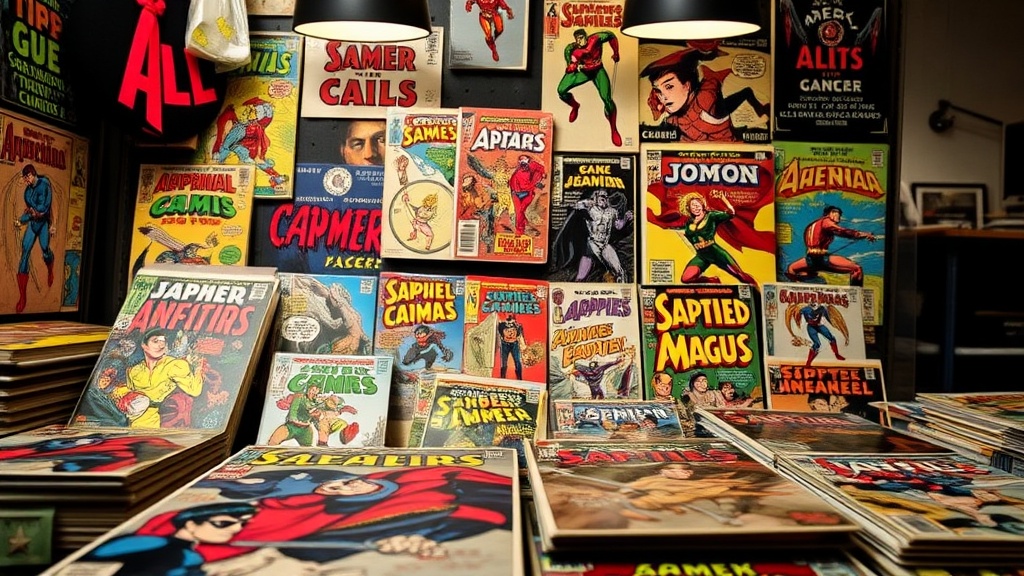
Displaying your favorite comics is a joy, a way to share your passion and admire the artwork daily. However, it comes with its own set of preservation challenges, primarily light exposure. Standard display frames or wall mounts often offer little to no UV protection, which means your vibrant covers could fade quickly if exposed to sunlight or strong indoor lighting. The good news is that you don’t have to keep your prized possessions hidden away.
For display, invest in frames or display cases specifically designed with UV-protective acrylic or glass. These specialty products block a significant percentage of harmful UV rays, drastically slowing down the fading process. Even with UV protection, it's wise to display comics in areas away from direct sunlight or intense artificial light sources. Rotating which comics are on display can also help—give them a break from the light by cycling them back into archival storage after a few months. Remember, no amount of UV protection will completely stop fading, only slow it down, so moderation is key.
Another consideration for displayed comics is physical security and stability. Ensure your display method holds the comic securely without putting pressure on its spine or corners. Wall mounts should be firmly anchored, preventing accidental falls. If you’re displaying an open comic (perhaps a favorite splash page), use a display method that supports both pages evenly and doesn’t require excessive manipulation to open or close. It’s a delicate balance—celebrating your collection while still acting as its diligent protector.
For those looking for more detailed specifications on archival materials, resources like the