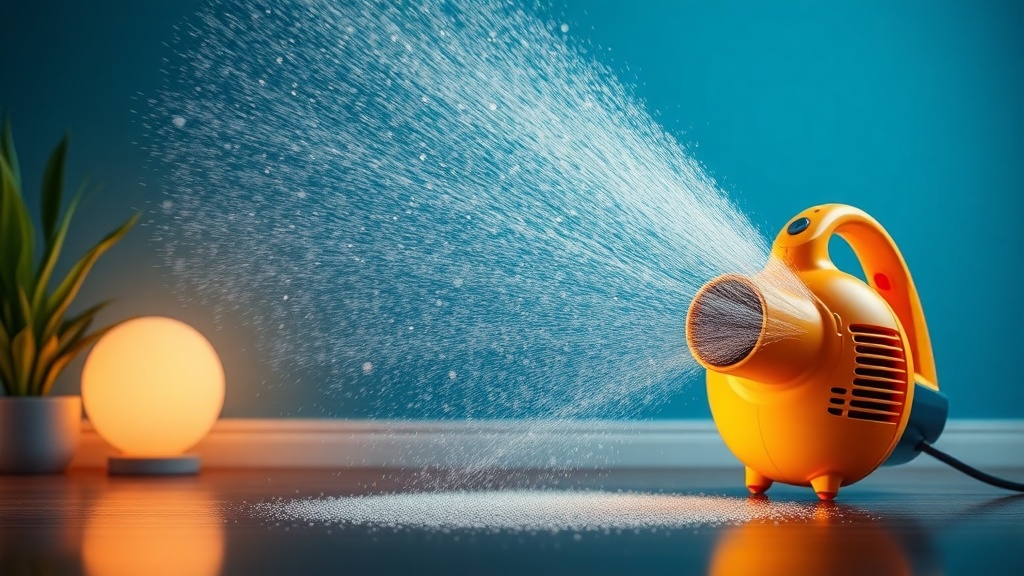
Keep Dust Away with Microfiber and Air Blowers

Quick Tip
Never use harsh chemicals or abrasive cloths; stick to air blowers and high-quality microfiber.
You pull your favorite 1/6 scale figure from the shelf only to find a fine layer of grey grit settled in the crevices of the armor. If you don't address this, dust can become abrasive, potentially scratching delicate paint applications or even settling into the joints of your articulated figures. This post covers the best ways to use microfiber cloths and air blowers to keep your collection pristine without causing damage.
How Can I Safely Remove Dust from Figures?
The safest way to remove dust is to use a combination of compressed air or an electric air blower followed by a high-quality microfiber cloth. You shouldn't use a standard feather duster—those often just move the dust around or snag small parts like capes or antennae.
Start by using a manual air blower (the kind used for camera lenses) to dislodge loose particles from hard-to-reach areas. Once the heavy lifting is done, a light touch with a clean microfiber cloth can finish the job. It's a delicate balance; you don't want to apply too much pressure on soft vinyl surfaces.
Here's a quick guide on what tools to use for different types of items:
- Action Figures: Use a soft-bristle brush or a camera air blower to avoid snagging joints.
- Statues/Resin Kits: A gentle puff of air is usually enough for high-detail sculpts.
- Acrylic Display Cases: A slightly damp microfiber cloth works best for these large, flat surfaces.
Is an Air Blower Better Than a Brush?
Air blowers are generally better for highly detailed figures because they prevent physical contact with fragile parts. While a brush is great for getting into deep crevices, there's always a risk of the bristles scratching the paint if you aren't careful.
If you're working with something like a vinyl figure, an air blower is your best friend. It's non-invasive and won't leave micro-scratches. That said, if you have a heavy buildup of grime, a soft-bristle brush might be necessary to lift the residue.
Always remember to check your acrylic case for dust buildup as well. A dusty case often means the dust is settling onto your figures through gaps or vents.
What Are the Best Cleaning Tools for Collectors?
The best tools are those that prioritize non-abrasive contact and controlled air pressure. You'll want to build a small kit that doesn't involve harsh chemicals or heavy-duty equipment.
| Tool Type | Best For... | Risk Level |
|---|---|---|
| Electric Air Blower | Loose dust on large surfaces | Very Low |
| Microfiber Cloth | Polishing acrylic and smooth surfaces | Low |
| Soft Paintbrush | Tight crevices and sculpt details | Medium (if too stiff) |
One thing to watch out for is the type of air you're using. If you use a canned air spray, be incredibly careful. The propellant can be freezing cold and might leave a liquid residue that ruins the finish on your collectibles. Stick to manual blowers or dedicated electric dusters to be safe.