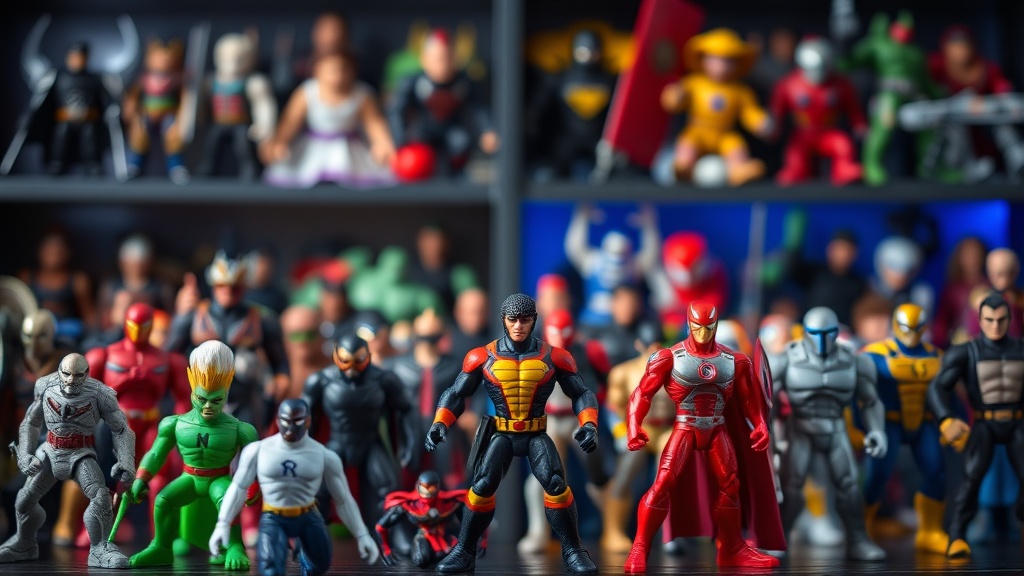
How to Organize Your Action Figure Collection by Theme or Brand

Have you ever stared at a shelf full of figures and felt a sudden sense of chaos? It happens to the best of us. You start with ten figures, but then a sudden wave of excitement leads to twenty more, and suddenly, your display looks like a cluttered battlefield rather than a curated collection. Organizing isn't just about tidiness; it's about how you experience your collection every day. Whether you want to showcase a specific era of a character's history or group together a specific manufacturer's style, the way you arrange your items changes how you interact with them.
This post covers different strategies for grouping your figures—ranging from chronological order to manufacturer-based displays—and why certain methods work better for specific types of collectors. We'll look at how to balance visual aesthetics with shelf space constraints so your collection actually looks intentional.
Should I Group by Brand or by Character?
This is the classic debate that splits the community. If you're a collector who loves the way a specific company handles sculpts and articulation, grouping by brand makes sense. For example, if you own a dozen different figures from the Hasbro line, keeping them together creates a sense of stylistic consistency. The paint applications and plastic quality will match, which looks great on a shelf. It's a very orderly way to show off the progression of a single company's design philosophy.
However, if you're a fan-first collector, you likely care more about the story than the manufacturer. In this case, grouping by character or franchise is the way to go. You might have a Marvel Legends figure, a vintage Kenner figure, and a high-end Hot Toys version of Captain America. Putting them together tells a visual story of how that character has evolved over decades. This method is often more engaging for guests because they recognize the characters immediately, even if the scales or styles are vastly different.
How Can I Use Color to Organize My Shelves?
Color coding is a high-level technique that works incredibly well for visual impact, though it can be tricky to execute. If you have a collection of many different brands, grouping them by color (all the reds together, all the blues together) creates a striking, rainbow-like effect. This is particularly popular with collectors who use acrylic risers or modular shelving units. It turns a collection into a piece of art.
The downside to color coding is that it often ignores the actual subject matter. You might end up with a Batman figure next to a Stormtrooper just because they're both black. It's a choice between thematic logic and visual-aesthetic logic. If your goal is a clean, modern look, go with color. If you want to tell a story, stick to characters or franchises. Some collectors find a middle ground by using color-coordinated backgrounds or lighting to tie different brands together.
Is It Better to Display Figures by Scale?
Scale consistency is one of the biggest hurdles in the world of figure collecting. If you're mixing a 1/6 scale figure with a 1/12 scale figure, the size difference can be jarring. A 1/6 scale figure might look like a giant next to a standard 6-inch figure. To avoid this, many collectors choose to dedicate specific shelves to specific scales. This keeps your display looking professional and intentional.
When you mix scales, you're often forced to create dioramas or use tiered risers to make the smaller figures visible. If you're a collector who loves variety, don't fear the scale mix, but be intentional about it. Use the larger, more detailed figures as "anchors" in the back of the display, and place the smaller, more numerous figures in the foreground. This creates a sense of depth and prevents the smaller items from getting lost behind the heavy hitters.
Consider the following breakdown of common scale groupings:
- 1/12 Scale (6-inch): Great for high volume and detailed action poses.
- 1/10 Scale: Often found in mid-range collectibles; works well for budget-friendly displays.
- 1/6 Scale (12-inch): Best for centerpiece displays and high-end, realistic-looking dioramas.
When planning your next shelf layout, think about the "flow" of the eye. Do you want people to look at a single character, or do you want them to scan through a wide variety of colors? There's no wrong answer, but a little bit of planning goes a long way in preventing the dreaded "clutter look." If you're feeling stuck, try a "temporary" layout on a table before moving everything to your permanent shelves. This lets you see how the pieces interact without the pressure of a final setup.
For those who want to go deeper into the world of professional-grade display, checking out resources like the Toy Collectors community can provide endless inspiration. Seeing how others handle their shelf space can give you a fresh perspective on your own setup.