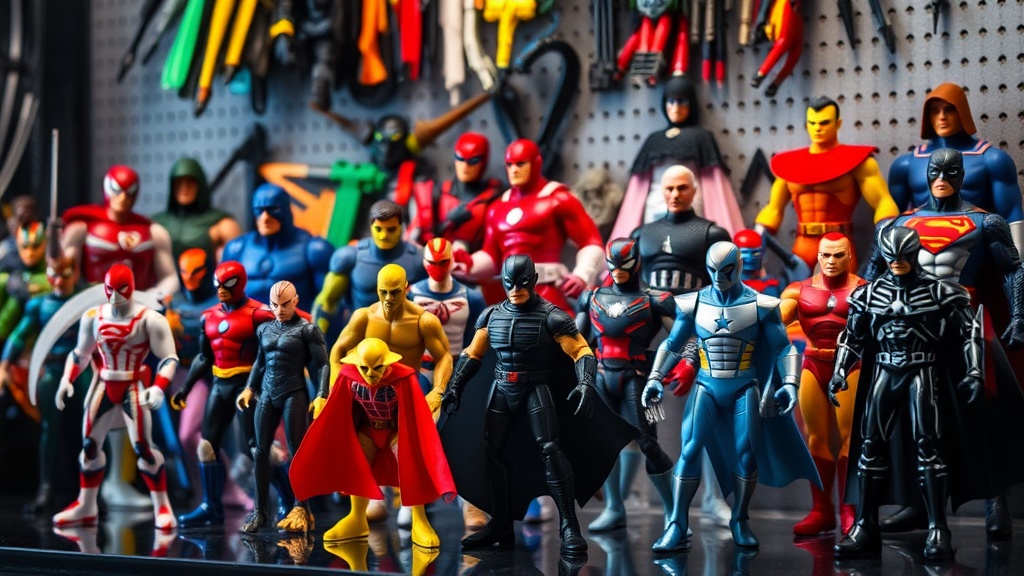
How to Clean and Maintain Your Action Figure Collection

Why Does Regular Cleaning Matter for Action Figures?
Regular cleaning prevents dust accumulation, plastic degradation, and paint chipping that can destroy a figure's value over time. Whether collecting vintage G.I. Joe figures or modern Marvel Legends, proper maintenance keeps pieces display-ready and preserves their resale potential. This guide covers everything from basic dusting to deep restoration techniques — no specialized conservation degree required.
What Supplies Do You Need to Clean Action Figures?
You'll need microfiber cloths, soft-bristled brushes (makeup brushes work perfectly), cotton swabs, distilled water, mild dish soap, and a can of compressed air. Here's the thing — spending $30 on proper supplies now saves hundreds in damaged figure repairs later.
The basics:
- Microfiber cloths — Generic ones from Amazon work fine, though Meguiar's Supreme Shine cloths are popular among serious collectors
- Soft brushes — Artis brushes or even a $5 ELF makeup brush from Target
- Cotton swabs — Name-brand Q-tips (less lint)
- Cleaning solution — Distilled water mixed with a drop of Dawn dish soap
- Compressed air — Falcon Dust-Off or similar (avoid shaking the can)
- Storage bags — Ziploc Freezer bags for loose parts
Avoid paper towels (they scratch), harsh chemicals like acetone (they melt plastic), and tap water (minerals leave residue). That said, some collectors swear by specialized products like Armor All for rubber tires on vehicle accessories — though never apply it to painted surfaces.
How Do You Clean Dust Off Action Figures Without Damaging Them?
Use a soft makeup brush or microfiber cloth, working from top to bottom in gentle strokes. Start with loose dust — the kind that settles daily on open displays.
For figures in glass cabinets, remove them entirely. Dust the shelf, then the figure. Compressed air helps with crevices (joints, weapon holsters, hair sculpts). Hold the can upright — angling it releases propellant that can frost plastic.
Worth noting: dust isn't just cosmetic. It attracts moisture. In humid climates, dusty figures develop that sticky film collectors call "plasticizer migration." Once that starts, you're looking at restoration work, not maintenance.
For vinyl figures like Funko Pops or soft goods (cloth capes, fabric uniforms), skip the compressed air. Static attracts more dust. Instead, use a slightly damp microfiber cloth — barely wet, wrung out thoroughly.
Dealing with Sticky Residue
Old figures sometimes feel tacky. This happens when plasticizers break down — common with 1980s and 1990s figures. Mix warm water with a drop of dish soap. Dampen (don't soak) a cloth and wipe gently. For stubborn spots, a cotton swab with isopropyl alcohol works — but test on a hidden area first. The catch? Alcohol can strip paint.
What's the Best Way to Clean Yellowed or Discolored Plastic?
UV exposure yellows plastic over time — especially ABS plastics common in vintage Star Wars and Transformers. The retrobright process reverses this using hydrogen peroxide and UV light.
Basic retrobright setup:
- Mix 12% hydrogen peroxide cream (hair developer from Sally Beauty Supply) with xanthan gum to create a paste
- Apply to yellowed areas with a paintbrush
- Wrap in clear plastic wrap
- Place under UV lamps or direct sunlight for 4-6 hours
- Rinse thoroughly with distilled water
This isn't risk-free. Too long in UV light makes plastic brittle. Some yellowing returns within months. That said, for a yellowed 1985 Stormtrooper that dropped from $200 to $40 in value, it's often worth trying.
Prevention beats restoration. Keep figures away from direct sunlight. UV-blocking film on display case glass helps — 3M UV Protection Film is the standard recommendation in collector forums.
How Should You Store Action Figures Long-Term?
Carded figures stay in acrylic cases. Loose figures go into plastic bins with desiccant packs. Temperature stability matters more than you'd think.
| Storage Method | Best For | Cost | Pros | Cons |
|---|---|---|---|---|
| Acrylic display cases (IKEA DETOLF) | Open displays, mid-value figures | $60-150 | Dust protection, visibility | UV exposure, limited space |
| Star Cases (Protech) | Carded vintage figures | $3-5 each | Protection, stackable | Cost adds up for large collections |
| Sterilite gasket bins | Long-term storage, moving | $15-25 | Sealed, humidity control | No visibility, potential heat issues |
| Original packaging + acid-free backing | High-value collectibles | $1-3 per backing | Maximum preservation | Bulky, requires space |
Basements and attics are terrible choices — temperature swings and humidity spikes kill figures. A closet in a climate-controlled room works better. Add silica gel packs (rechargeable ones from Dry & Dry on Amazon) and replace them every few months.
The Rubber Band Problem
Vintage figures held together with rubber bands (M.A.S.K. vehicles, old playsets) need checking. Rubber degrades. It melts into plastic. If you collect 1980s vehicles, inspect them yearly. Replace old rubber with silicone bands from Office Depot — they last decades longer.
How Do You Maintain Joints and Moving Parts?
Stiff joints crack if forced. Loose joints can't hold poses. Both problems have fixes.
For tight joints: Work them gently — ten minutes of slow movement usually frees them. A hairdryer on low heat (held at distance) warms plastic and helps. Never use oil — it attracts dust and degrades plastic over time.
For loose joints: The floor polish method works wonders. Remove the limb, apply a thin coat of Pledge FloorCare Multi-Surface (the original formula with Future shine), let it dry 24 hours, reassemble. It tightens the joint without permanent modification. Some collectors use Kiki's Fix Loose Joints — a product specifically made for this.
Here's the thing about electronic features: battery corrosion destroys vintage figures. Remove batteries from Transformers, Thundercats, or any figure with light/sound features before storing. Clean battery contacts with vinegar on a cotton swab if you spot white corrosion.
What's the Safest Way to Clean Painted Details and Decals?
Paint rubs off. That's the reality. Even "gentle" cleaning can damage factory paint apps, especially on mass-produced figures where paint adhesion varies.
Never scrub painted areas. Pat them instead — even pressure, minimal movement. For chrome finishes (Transformers, Silver Surfer figures), never use any liquid. Chrome is incredibly fragile. Dust only, with the softest brush you own.
Stickers and decals present another challenge. Original decals add value — reproductions don't. If a decal is peeling, photograph it first. Then apply a tiny amount of Microscale Micro Set (available at hobby shops) underneath to re-adhere it. Heat from a hairdryer helps set stubborn edges.
Worth noting: water-slide decals (common on imported figures and model kits) dissolve in water. Dry cleaning only.
How Often Should You Clean Your Collection?
Surface dusting happens monthly for open displays. Deep cleaning — joints, crevices, full inspection — happens yearly, ideally during a seasonal rotation. Some collectors clean in spring, using the opportunity to rearrange displays and check for problems.
Carded figures need less attention. A quick dusting every few months suffices. Check acrylic cases for scratches — they happen, and scratched cases obscure visibility.
Humidity matters here. In dry climates (Arizona, Colorado), plastic gets brittle. In humid areas (Florida, Louisiana), mold grows on cloth accessories and cardboard packaging. Adjust your schedule accordingly — quarterly checks in extreme climates, biannual in moderate ones.
When Should You Call a Professional Restorer?
Some damage exceeds DIY repair. Torn soft goods, shattered plastic, significant paint loss — these need professional attention. Look for restorers through NAMI member directories or collector community recommendations. Expect to pay $50-200 per figure depending on damage.
Here's the thing about restoration: it affects value. Mint-in-box collectors avoid restored pieces. Play collectors don't mind. Know your goals before spending money on professional work. Sometimes, a damaged figure in original condition holds more value than a perfectly restored one — authenticity matters in this hobby.
Document everything. Photograph figures before any cleaning or restoration. Keep receipts for professional work. Future buyers appreciate provenance, and you'll have records for insurance purposes. Speaking of which — standard homeowner's insurance rarely covers collectibles adequately. Check your policy. Specialized collectibles insurance through companies like Collectibles Insurance Services exists for a reason.
Steps
- 1
Gather Your Cleaning Supplies
- 2
Dust Figures Gently with Soft Tools
- 3
Deep Clean Stains and Grime