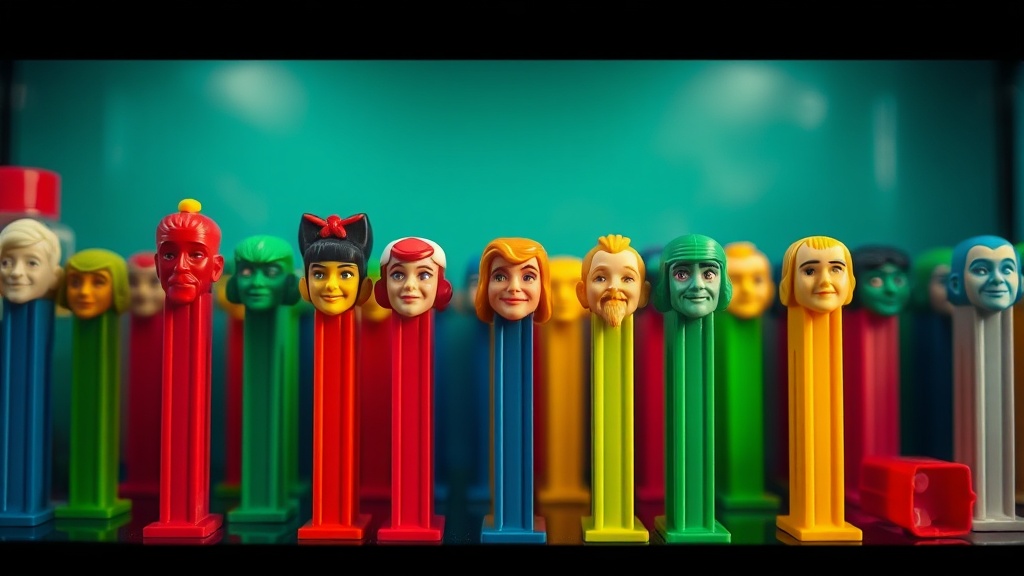
A Dispenser's Delight: Exploring the World of Vintage PEZ Collecting

Discovering a new passion often begins with a single, unexpected find. Perhaps it’s that faded Batman PEZ dispenser tucked away in a dusty antique shop or the vibrant Mickey Mouse grinning from a flea market stall. These small, plastic marvels, originally designed to dispense compressed sugar candies, have transcended their humble purpose to become cherished collectibles for enthusiasts worldwide. This post dives into the fascinating realm of vintage PEZ dispensers, offering insights into what makes them valuable, how to identify authentic pieces, and the most effective ways to showcase your growing collection. We'll explore the history, the nuances of identification, and practical display strategies to help you navigate this rewarding hobby with confidence.
The appeal of PEZ collecting lies in its blend of nostalgia, artistry, and the thrill of the hunt. Each dispenser is a miniature artifact, a snapshot of pop culture through decades of character licensing. From early, footless designs to intricate modern editions, the variety is astounding, drawing in collectors of all ages. Understanding the foundational elements that contribute to a dispenser's value is your first step into this vibrant community.
What factors truly determine a vintage PEZ dispenser's worth?
Not all PEZ dispensers are created equal, particularly when we talk about vintage pieces. Several key factors converge to establish a dispenser’s market value, often surprising newcomers to the hobby. Rarity, for instance, plays a monumental role. Dispensers produced in limited quantities, those with short production runs, or even those made for specific regional markets can fetch significant prices. Think about early prototypes or specific promotional items—these are often among the most sought-after.
Condition is another critical determinant. A vintage dispenser in pristine, untouched condition, ideally with its original candy (though the candy itself is rarely consumed due to age) and packaging, will always command more than a worn, damaged, or incomplete one. Collectors meticulously inspect for scratches, cracks, fading, or missing parts like springs or heads. The concept of “mint in package” (MIP) or “mint on card” (MOC) is highly valued, preserving the item’s context and initial presentation. Even minor imperfections can significantly impact desirability and price, so handle your finds with care.
Variations within a single character line also contribute to value. PEZ has often produced multiple versions of the same character over the years, sometimes with subtle changes in color, head mold, stem design, or patent number. Identifying these variations requires a keen eye and often some dedicated research. A slight change in a character’s expression or a different color stem on an otherwise common dispenser might transform it into a rare and valuable variant. This is where the detective work of collecting really shines, turning a simple character into a fascinating puzzle.
Lastly, historical significance and pop culture relevance can boost a dispenser's appeal. Early, pre-1950s designs, known as “regulars” or “characterless” dispensers, hold a special place for their foundational role. Similarly, dispensers tied to iconic movies, TV shows, or historical events, especially those from earlier eras, resonate deeply with collectors. A dispenser representing a beloved, timeless character often maintains a steady demand. Resources like the